
Introduction
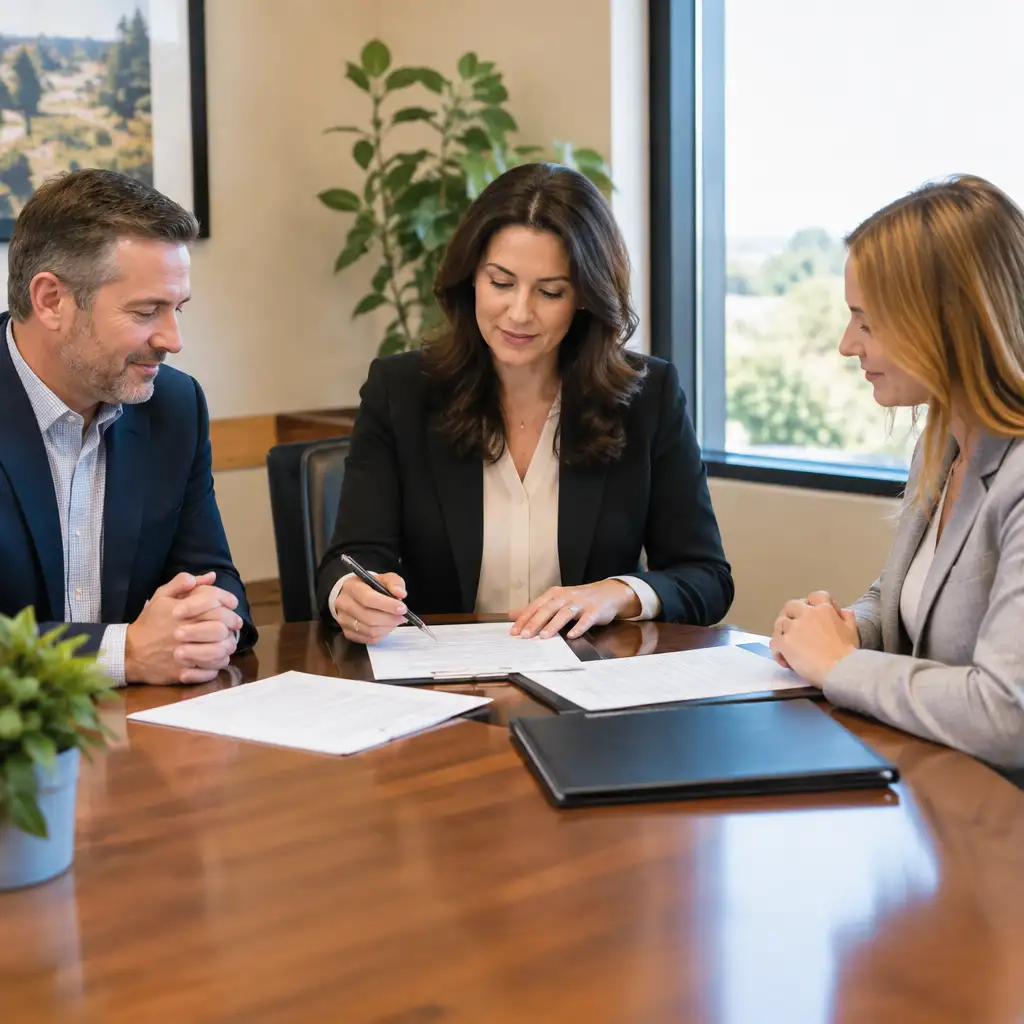
Imagine you’re an out-of-state home seller juggling movers, a closing deadline, and a stack of documents that all require notarization. You can’t be in two places at once, and the title company needs properly executed deed transfers and closing paperwork today. In situations like this, a mobile notary can make the difference between a smooth closing and a costly delay.
Notarization matters because many real estate documents—deeds, affidavits, powers of attorney, and some closing forms—require a notary public to verify the signer’s identity and witness signatures. For sellers who aren’t local, coordinating notarization across time zones and schedules adds complexity at a time when timing is critical.
That’s where same-day mobile notary services come in. A professional mobile notary travels to an agreed location—an escrow office, the courthouse, or the seller’s temporary residence—to complete notarizations quickly and correctly. This article explains how to coordinate urgent deed transfers from out of state, what to prepare, where a notary can meet empowered signers, and practical timing tips to avoid delays.
How deed transfers and closing deadlines affect out-of-state sellers
Deed transfers and closing documents have strict timing requirements. Title companies and escrow officers often set cut-off times for accepting executed deeds to record with the registry of deeds. When a seller is out of state, missing those deadlines can lead to added fees, delayed shipments, or extensions of the closing date.
Out-of-state sellers should think about three timing risks: the time needed to get documents notarized, transit or electronic delivery time to title or escrow, and the recording window at the county registry. A same-day mobile notary reduces the first of those risks by traveling to the signer and completing notarizations on the same day they’re needed.
Using a mobile notary also reduces reliance on last-minute, unfamiliar local offices or shipping services. For many sellers, that convenience means fewer moving parts and a lower chance of unexpected delays.
Coordinating remotely with local agents, title companies, and escrow
Successful out-of-state closings start with clear communication. Ask the buyer’s agent, your listing agent, or the title company to confirm exactly which documents need notarization, how many originals are required, and whether the recording office has additional requirements.
Share that information with your mobile notary in advance so they can confirm availability, suggest the best appointment locations, and prepare for any special notarization steps. If the title company prefers delivery to an escrow office or direct handoff to a closing attorney, a mobile notary can meet there and hand-deliver properly executed documents to keep things moving.
For convenience, many sellers rely on mobile notaries as the local touchpoint. If you want to learn more about the full scope of mobile assistance available for different document types, visit Get Nimble Notary for an overview of our mobile notary services.
Scheduling same-day mobile notary appointments: timing and logistics
Same-day notary requests are common for out-of-state sellers responding to sudden scheduling changes. When you request a same-day appointment, provide as much detail as possible: list of documents, preferred meeting location, earliest and latest acceptable times, and contact numbers for the signing parties and the escrow/title contact.
A certified notary will confirm the appointment window and explain any logistics—such as required identification, witnesses (if applicable), or whether the document requires an acknowledgment versus a jurat. Many mobile notaries, including experienced teams, offer evening and weekend availability to match urgent closings or cross–time-zone coordination.
Keep in mind travel time to locations like courthouses or escrow offices during business hours and whether parking or building access could cause minor delays. Clear planning up front makes same-day scheduling far more reliable.
Where an on-site notary can meet empowered signers: courthouse, escrow office, temporary residence
Mobile notaries meet clients in a wide range of locations. For out-of-state sellers, common meeting spots include:
- Escrow or title office: A convenient place to hand off signed documents directly to the closing team.
- Local courthouse or registry of deeds: Useful when immediate recording is required or when an official venue is requested by the title company.
- Seller’s temporary residence or rental: If the seller is staying nearby for a final walkthrough or moving, a home visit saves travel time and keeps the process private and comfortable.
Because each location has different rules about building access and photography, discuss the meeting place with your notary ahead of time. A professional mobile notary can meet in public lobbies, conference rooms, or private offices and will bring the necessary tools to notarize safely and securely.
Preparing documents in advance to avoid delays
Preparation is the key to a quick same-day notarization. Before the appointment, confirm the following:
- All signature lines are left blank where the signer will sign in the notary’s presence.
- The correct number of originals and copies are available.
- The signer has acceptable government-issued photo identification (driver’s license, passport, or state ID).
- Any required witnesses are identified and available or the title company has waived witness requirements where permitted.
Mobile notaries are not document preparers and cannot give legal advice, but they can identify missing signature lines or date fields that could cause a document to be rejected. If you’re unsure about forms or the correct fillable fields, ask the title company or your real estate agent to confirm before the notary arrives.
Day-of signing: identity verification, notarization steps, and closing tips
On the day of signing, the mobile notary will begin by checking the signer’s identification and confirming the signer understands they are signing voluntarily (not offering legal advice or document interpretation). The notary will then witness the signature, complete the notarial certificate, and affix a seal or stamp as required by state law.
For deed transfers, the notary often completes an acknowledgment or jurat, depending on the document type. If the title company requires a courier handoff, the notary can meet at the escrow office and deliver executed originals in person. If electronic recording is available and accepted, the notary will follow the title company’s instructions for submitting scanned originals or certified copies.
Practical closing tips: confirm a back-up contact in case of last-minute changes, arrive with extra copies of IDs, and allow time for notarization so recording or courier deadlines can be met. A professional notary signing agent can make these steps efficient and reduce stress for out-of-state sellers juggling multiple obligations.
Frequently Asked Questions
Q: Can a mobile notary complete a deed transfer for me if I’m out of state?
A: Yes. A mobile notary can meet you at an agreed local site—such as the escrow office, a courthouse lobby, or your temporary residence—to notarize deed transfers. Provide the documents and ID in advance and coordinate with the title company about originals and recording instructions.
Q: How quickly can I get a same-day notarization when closing out of state?
A: Many mobile notaries offer same-day and emergency notary services when schedules allow. Request an appointment as early as possible and share location and document details so the notary can confirm availability and plan travel time.
Q: What identification does the notary need to verify for real estate closings?
A: A valid government-issued photo ID (driver’s license or passport) is typically required. If you suspect identification may be an issue, let your notary know ahead of time so they can advise on acceptable alternatives under state notarial rules.
This article is provided for general informational purposes only and should not be considered legal advice. If you need legal guidance regarding your documents, consult a qualified attorney.
Unexpected situations sometimes require immediate notarization. Get Nimble Notary offers flexible scheduling, including same-day and emergency appointments whenever possible, helping clients complete important documents quickly and professionally.